Skip to content
OUR STORY

A little more about
Roomform.

Rooms with room to live.

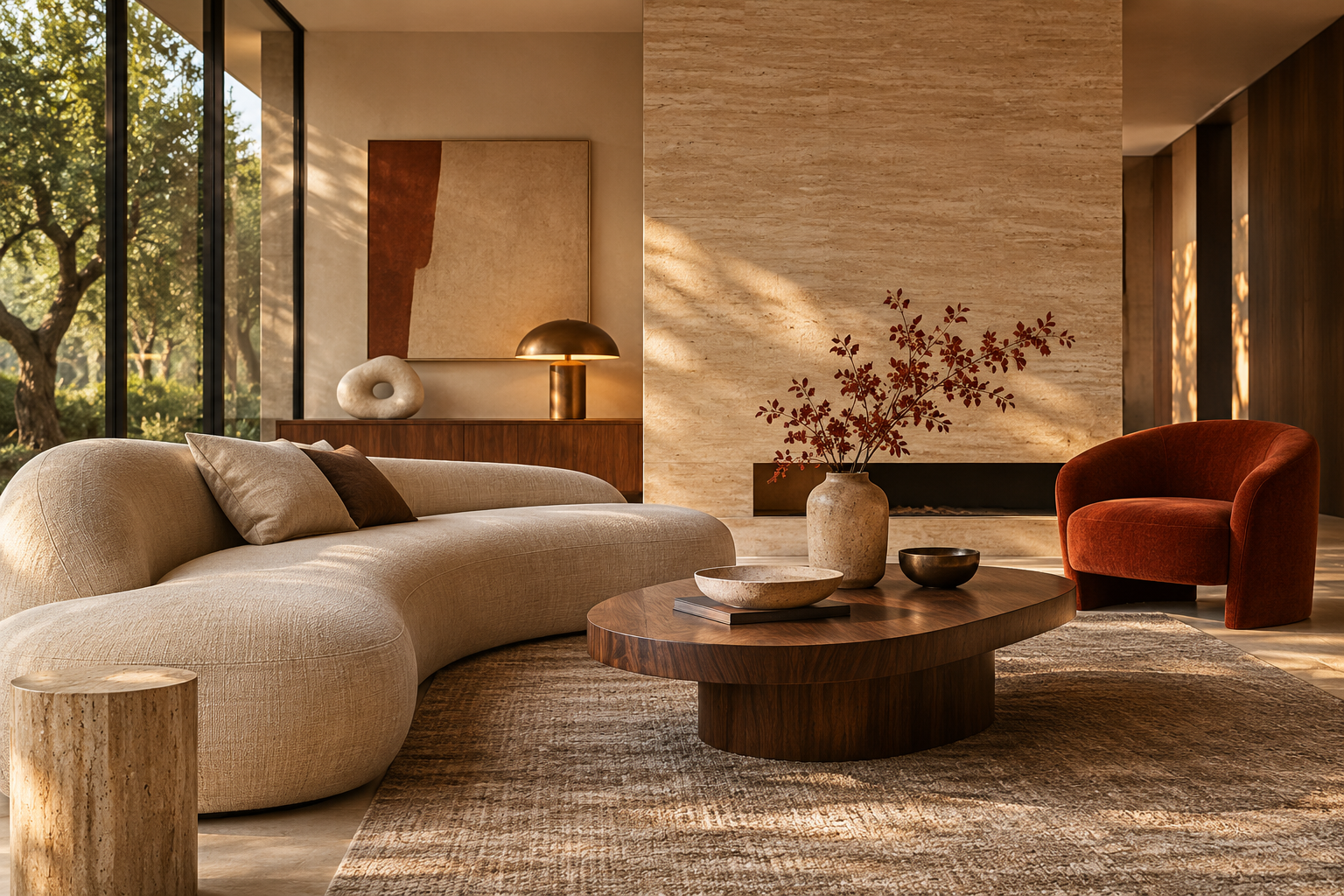
Warm minimalist interior with natural materials
AI-generated editorial illustration for this demonstration brand.

Built around a
better question.

Roomform is a concept studio built around the relationship between beautiful rooms and ordinary routines. Instead of treating furniture as a finishing touch, the project begins with movement, storage, daylight and the materials people touch every day.

Shape thoughtful interiors that balance atmosphere, practical use and the resources already available.

Our editorial approach is to explain the decisions behind a service, including the constraints and questions worth asking. This concept is designed to show how an independent business could present that work with clarity.

THE PROJECT IN NUMBERS

Small enough to stay focused.

03Detailed service guides
04Clear planning stages
01Place to start a conversation

These numbers describe the website’s process and content, not a claimed trading history or client count.

PEOPLE / ILLUSTRATIVE TEAM

Different skills.
A shared point of view.

The following profiles are fictional demonstration roles. Unsplash photographs are stock portraits and do not identify employees.

Stock portrait illustrating the interior designer role

Elena Shaw

Interior designer

Illustrative profile · Unsplash stock image
Stock portrait illustrating the material researcher role

Oscar Park

Material researcher

Illustrative profile · Unsplash stock image
Stock portrait illustrating the project coordinator role

Mila Kent

Project coordinator

Illustrative profile · Unsplash stock image
THE PRACTICAL SIDE

Begin with the way you live.

NOTE 01

The brief behind the room

A useful interior brief includes more than a mood board. Record the things that need a home, the activities that overlap and the way the household changes through the week. Daylight, power outlets and door swings all affect layout. Measured information should guide furniture choices before items are ordered. A room can feel calm because storage and circulation work, even when its palette is expressive.

NOTE 02

Samples before commitments

A stone sample, a timber finish and a fabric swatch behave differently under warm evening light and clear daylight. Compare them in the actual room where possible, and ask suppliers about cleaning, wear and batch variation. Natural materials may change over time. Discuss that change as part of the design rather than treating it as a surprise after installation.

NOTE 03

Know where design meets regulation

Decorative advice does not replace structural, electrical or planning expertise. Moving a wall, changing services or altering a listed building may require qualified professionals and approvals. A clear project plan names those dependencies early. Before commissioning work, ask which drawings are included, who checks measurements and who is responsible for procurement, installation and compliance. This demonstration studio claims no professional registration.
“Shape thoughtful interiors that balance atmosphere, practical use and the resources already available.”